
In a world dominated by screens, schedules, and constant connectivity, finding time to unplug and engage in hands-on activities has become increasingly important. Whether it’s building a model airplane, racing a remote-controlled car, assembling a LEGO creation, or designing a model railroad, hobbies offer something that technology alone cannot always provide: the satisfaction of creating, exploring, and learning through real-world experiences.
At Hobby-Sports.com, we’ve seen firsthand how hobbies bring people together, spark creativity, and create opportunities for learning at every age. What may begin as a simple pastime can develop into a lifelong passion with benefits that extend far beyond the hobby itself.
Learning Through Play
One of the greatest benefits of hands-on hobbies is their ability to make learning enjoyable.
When children build a model, assemble a remote-controlled vehicle, or experiment with different designs, they’re doing much more than playing. They’re developing critical thinking, problem-solving abilities, patience, and fine motor skills.
Consider a child building their first model airplane. Along the way, they must follow instructions, understand how different components work together, and overcome challenges when something doesn’t fit quite right. Each step encourages persistence and builds confidence.
These experiences introduce practical concepts in science, technology, engineering, and mathematics (STEM) without the structure of a traditional classroom.
And the learning doesn’t stop with childhood. Adults who engage in hands-on hobbies continue developing new skills, exploring unfamiliar technologies, and challenging themselves to think creatively.
The Importance of Unplugging
Technology has transformed how we work, communicate, and entertain ourselves. While digital tools offer tremendous benefits, they can also make it difficult to disconnect.
Hands-on hobbies provide an opportunity to step away from screens and focus on something tangible.
Building a model, working on a remote-controlled vehicle, or creating a detailed miniature landscape requires concentration and attention to detail. These activities encourage people to slow down, become immersed in the process, and enjoy the satisfaction of making progress.
For many hobbyists, this focused time becomes a welcome break from daily responsibilities.
Research on leisure activities suggests that enjoyable, engaging hobbies can support psychological well-being and help people manage stress. The opportunity to focus on a personally meaningful activity can be especially valuable in today’s fast-paced environment.
Sometimes, the most productive thing we can do is make time for something we simply enjoy.
Building Confidence Through Challenges
Not every hobby project goes according to plan, and that’s part of what makes the experience valuable.
A remote-controlled car might need adjustments before it performs correctly. A model kit may require patience and several attempts to complete. A complicated LEGO design might need to be taken apart and rebuilt.
These moments teach an important lesson: progress often comes through trial, error, and persistence.
Unlike activities focused solely on immediate results, hands-on hobbies encourage participants to appreciate the process.
Successfully completing a challenging project creates a sense of accomplishment that can carry over into other areas of life.
For children, these experiences can help develop resilience and independence. For adults, they provide opportunities to learn new skills and experience the satisfaction of overcoming obstacles.
Creating Connections Across Generations
Perhaps one of the most meaningful aspects of hobbies is their ability to bring people together.
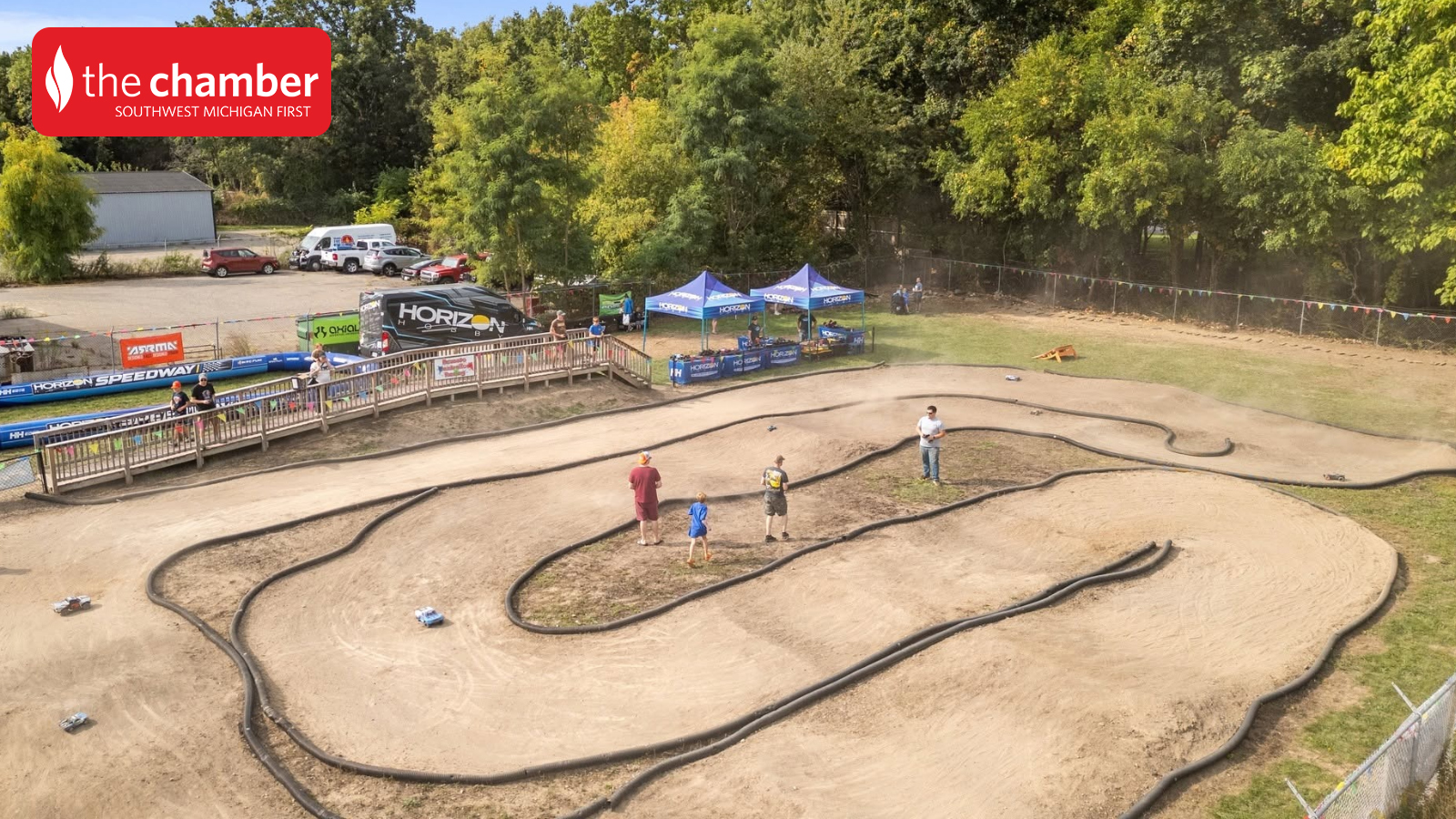
A parent teaching a child how to operate a remote-controlled airplane, grandparents helping grandchildren assemble a model train, or friends gathering to race RC vehicles are all examples of how shared interests create lasting memories.
Hands-on hobbies naturally encourage conversation, collaboration, and mentorship.
They also provide common ground between generations. A hobby that someone enjoyed decades ago can become an opportunity to connect with a younger family member who is discovering it for the first time.
Beyond family relationships, hobby communities bring together individuals from different backgrounds who share a common interest.
Local clubs, hobby events, competitions, and informal gatherings create opportunities to exchange ideas, share knowledge, and build friendships.
These connections remind us that hobbies are about more than the activities themselves. They’re also about the people we meet and the experiences we share.
Why Hobbies Matter for Adults, Too
Although play is often associated with childhood, the benefits of hobbies don’t disappear as we grow older.
In fact, making time for personal interests can become even more important as professional and family responsibilities increase.
For working adults, hobbies provide an opportunity to explore interests outside their careers, develop new abilities, and enjoy activities without the pressure of deadlines or performance expectations.
A business professional who spends the weekend building a model railroad or flying an RC aircraft isn’t simply passing time. They’re engaging in creative problem-solving, practicing patience, and enjoying an activity that offers a different kind of personal fulfillment.
Hobbies can also encourage lifelong learning, helping individuals remain curious and open to new experiences.
The skills developed through these activities, including persistence, creativity, attention to detail, and adaptability, are valuable in both personal and professional environments.
Making Room for Play
Getting started with a hobby doesn’t have to be complicated or expensive.
The key is finding an activity that sparks curiosity and provides an opportunity to explore something new.
For some, that might mean building a beginner-friendly model kit. For others, it could involve learning to operate an RC vehicle, creating a LEGO project, or discovering the world of model railroading.
Start small, be willing to learn, and remember that the goal isn’t perfection. It’s enjoyment, discovery, and growth.
As interests develop, hobbies can evolve into increasingly rewarding experiences, offering new challenges and opportunities to connect with others.
Rediscovering the Power of Play
In our busy lives, it’s easy to view hobbies as optional activities that come after everything else on our to-do lists.
But play, creativity, and exploration are important parts of a balanced and fulfilling life.
Hands-on hobbies encourage us to think differently, embrace challenges, build relationships, and experience the satisfaction of creating something with our own hands.
At Hobby-Sports.com, we believe the power of play extends far beyond childhood. Whether you’re eight or eighty, there’s always something new to discover, something exciting to build, and another opportunity to learn.
Because sometimes, the best way to grow is simply to make time to play.
About Hobby-Sports.com
 Hobby-Sports.com is a destination for hobby enthusiasts of all ages and experience levels, offering a wide selection of products that inspire creativity, learning, and hands-on fun. From remote-controlled vehicles and model airplanes to model trains, LEGO sets, and hobby accessories, Hobby-Sports.com helps individuals and families discover the excitement of exploring new interests. With a passion for encouraging creativity, problem-solving, and meaningful connections, Hobby-Sports.com is dedicated to making hobbies accessible, enjoyable, and rewarding for beginners and experienced enthusiasts alike.